
MAN SUFFERS HEART ATTACK THROUGH ALCOHOL ABUSE
Alcohol consumption has historically held and continues to hold an important role in social engagement and bonding for many. People drink to socialise, celebrate and relax. While the producers of alcoholic beverages continue to attract consumers to the pleasurable bliss of alcohol, it is almost impossible to imagine that, adversely, this same celebratory beverage that brings happiness and pleasure, can break the life of its loyal consumers apart.
Drinking alcohol is associated with a risk of developing health problems such as mental and behavioural disorders, including alcohol dependency. Major non communicable diseases such as liver cirrhosis, some cancers including cardiovascular disease, and also injuries resulting from violence and road clashes.
According to the WHO, world wide, 3 million deaths every year results from harmful use of alcohol, this represents 5.3% of all deaths. A significant proportion of the disease burden attributable to alcohol consumption tends to occur in relatively younger age groups. In the age group of 20- 39 years, approximately 13.5% of the total deaths are alcohol attributable.
This is why Pro Health Foundation craves to emphasise on those damages associated with alcohol consumption which is not usually talked about, yet seriously and painfully destroy consumers health and livelihood.
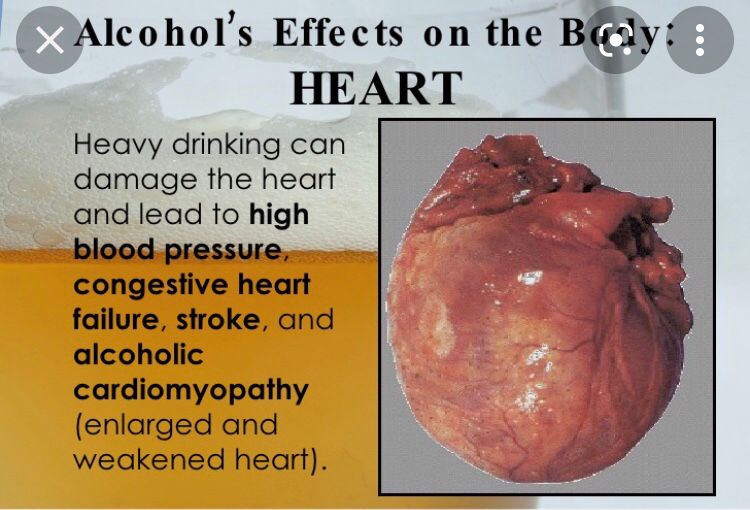
The foundation seeks to bring to the attention of consumers of alcoholic beverages the risk developing non communicable diseases like cardiomyopathy, which damages the heart due to excessive drinking. Cardiomyopathy is a form of heart disease caused by alcohol abuse; excessive use of alcohol weakens and thins the heart muscles, affecting its ability to pump blood. When your heart is unable to pump blood efficiently, the lack of blood flow disrupts all your body’s major functions.
Shortly put, cardiomyopathy leads to heart failure, resulting in the death of, in this case, the consumer.
Thus, as a foundation, it is our desire to campaign at reducing the intake of alcohol in the country, especially among the youth, and to ensure that the number of heart related diseases arising from the intake of alcohol is reduced by 30% at the close of the year.
It is important to note, however, that alcohol effects vary from person to person, depending on a variety of factors which includes; how much you drink, how often you drink, your age, your health status, and your family history. Implying that if a colleague drinks averagely 6 bottles a week and seems medically fine, it does not necessarily apply to you. It is, therefore, helpful to know your drinking ability as well as the other factors mentioned, to keep yourself in check.
Written by Buobu Evelyn Adjoa
Index number; BACS 21970
Alcohol consumption has historically held and continues to hold an important role in social engagement and bonding for many. People drink to socialise, celebrate and relax. While the producers of alcoholic beverages continue to attract consumers to the pleasurable bliss of alcohol, it is almost impossible to imagine that, adversely, this same celebratory beverage that brings happiness and pleasure, can break the life of its loyal consumers apart.
Drinking alcohol is associated with a risk of developing health problems such as mental and behavioural disorders, including alcohol dependency. Major non communicable diseases such as liver cirrhosis, some cancers including cardiovascular disease, and also injuries resulting from violence and road clashes.
According to the WHO, world wide, 3 million deaths every year results from harmful use of alcohol, this represents 5.3% of all deaths. A significant proportion of the disease burden attributable to alcohol consumption tends to occur in relatively younger age groups. In the age group of 20- 39 years, approximately 13.5% of the total deaths are alcohol attributable.
This is why Pro Health Foundation craves to emphasise on those damages associated with alcohol consumption which is not usually talked about, yet seriously and painfully destroy consumers health and livelihood.
The foundation seeks to bring to the attention of consumers of alcoholic beverages the risk developing non communicable diseases like cardiomyopathy, which damages the heart due to excessive drinking. Cardiomyopathy is a form of heart disease caused by alcohol abuse; excessive use of alcohol weakens and thins the heart muscles, affecting its ability to pump blood. When your heart is unable to pump blood efficiently, the lack of blood flow disrupts all your body’s major functions.
Shortly put, cardiomyopathy leads to heart failure, resulting in the death of, in this case, the consumer.
Thus, as a foundation, it is our desire to campaign at reducing the intake of alcohol in the country, especially among the youth, and to ensure that the number of heart related diseases arising from the intake of alcohol is reduced by 30% at the close of the year.
It is important to note, however, that alcohol effects vary from person to person, depending on a variety of factors which includes; how much you drink, how often you drink, your age, your health status, and your family history. Implying that if a colleague drinks averagely 6 bottles a week and seems medically fine, it does not necessarily apply to you. It is, therefore, helpful to know your drinking ability as well as the other factors mentioned, to keep yourself in check.
Written by Buobu Evelyn Adjoa
Index number; BACS 21970

 PRO HEALTH FOUNDATION