In recent times, alcoholism has become a very common addiction amongst youth all over the world. The growing incidence of alcohol consumption amongst the youth has become a topical issue within healthcare professionals and policy makers because of its potential negative effects.
According to research conducted by the Ghana Health Service,about 37% of males and females are known to be alcohol users and this has raised concern about the consequences of alcohol consumption in Ghana. The Ghana Medical Association has proven that after tobacco, alcohol is the second largest cause of heart-related diseases. Excessive alcohol intake amounts to cardiomyopathy, a disorder that affects the heart muscle resulting in heart failure which can cause death. This article sought to use counter-advertising as a technique towards minimizing excessive consumption of alcohol and to prevent cardiomyopathy.
Counter advertising is an advertising process that uses attention-seeking techniques that are displayed initially in original adverts but change it to deliver a different message to the audience. This technique tends to catch the attention of the eye because the keymessage is embedded in the advert. This simple techniques are used in sending the message across to the target audience.
Visual images are powerful tools that are used in creating counter adverts because people forget what they hear or what they read, but they are likely to remember what they see over sometime and this is why we as a group seek to use the visual representation of animation in creating the advertising content. The PRO-HEALTH foundation, as a result, will devise measures such as counter-advertising in curbing excessive alcohol abuse and to educate the audience about the negative health factors associated with it. As part of our measures, we will use animations in creating the final advertising work.
In terms of our advertising, we will use animation with the shockvertising technique to deliver the message, thus using horror and disgust to portray the harmful depiction of alcohol on the heart in our advertisement.
As part of our message delivery, we sort to using Facebook,Instagram and twitter platforms and as well as media outlets like TV3, Utv, Cititv, Citi fm and peace FM respectively to convey information. This will help us to interact with the general public using the counter advertisement to deliver the message with low pleasure and high arousal.
This campaign has a high tendency in aiming to reduce the health burden caused by the harmful use of alcohol, reduce diseases and prevent injuries once the campaign commences. This will be done within the period of 3 years .We intend toachieve a 30% increment from the awareness creation on issues relating to alcohol abuse and its harmful effects on the human health.We also sort to reduce the intake of alcohol amongst the youth from the current 41% to 20% by December 2026. This is a long term objective we seek to undertake.

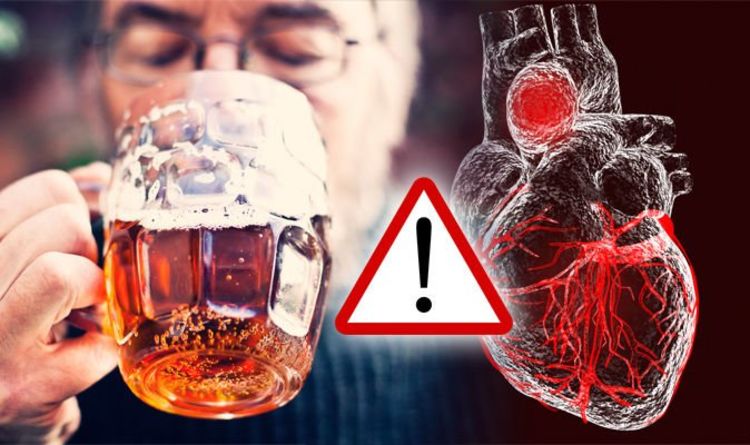
Pictures such as the one below will be used to create awareness about the hazards of the abuse of alcohol as stated earlier.
As part of our field experiences which included brainstorming, we concluded on conducting a survey to gather data on whypeople abuse alcohol, their mode of consumption, when and why they drink alcohol excessively. Few research questions and 100 questionnaires were printed and distributed to a few drinking pubs. Sub groups were created with each member carrying out distribution of the questionnaires. The first group which I was part of together with Zainab Abdullahi Jumia and Abigail, we distributed 40 of the questionnaires in bars and pubs. Bernice Bonsi together with Emmanuel Asieme Ayine and Natasha Dzamesi who formed the second group. Thirty questionnaires were distributed to drinking bars and pubs on their field trip to Shiashie. The third group which consisted of Evelyn Adjoa Buobu, Patience Amisah Baba and Katakiti Akua Millicent distributed 30 of the questionnaires in Dansoman.
The Information gathered from this short survey helped us to develop our script and the entire animation in sending the central messaging strategy.
Portia Ofotsuwa Dadeboe was our campaign voice-over actor.She acted the voice over by going accordingly with our script with the assistance of the animator.
REFERENCES.
Levitt, T. (1970). The morality (?) of advertising, Harvard Business Review, 37 (July/Aug), pp. 57-84.
World Health Organization (2004).Global status report on alcohol 2004. Geneva
(http://www.who.int/substance_abuse/publications/global_status_report_2004_overview.pdf, accessed
21 November 2014).
REFERENCES

NAME:JAISEY LAWRENCIA EMEFA -INDEX NUMBER:BACS211036

 PRO HEALTH FOUNDATION