PRO-HEALTH foundation seeks to serve as a catalyst in bringing sustainable change in the health lives of Ghanaians. Alcohol consumption has been identified as an important risk factor for illness, disability, and mortality (Rehm et al. 2009b).In fact, in the last comparative risk assessment conducted by the World Health Organization (WHO), the detrimental impact of alcohol consumption on the global burden of disease and injury was surpassed only by unsafe sex and childhood underweight status but exceeded. Alcohol use disorders (AUDs) are chronic and relapsing illnesses that contribute to around 4% of the global burden of disease (Margolese et al., 2004; Rehm et al., 2009).The prevalence of 12-month and lifetime AUD (DSM-5) has been reported to be 13.9% and 29.1%, respectively (Grant et al., 2016).AUDs increase the risk of many adverse consequences, including injury, disease, death. Alcohol is the most common drug used among adults in the United States. The use of alcohol is associated with an increased risk of injuries and accidents. Even a single episode of excessive drinking can lead to a negative outcome.
These range from psychological models of addiction that view drug use and abuse as a coping strategy to deal with stress, to reduce tension, to self medicate, and to decrease withdrawal-related distress, 31 – 37 to neurobiological models that propose incentive sensitization and stress allostasis concepts to explain how it affects their health. PRO-HEALTH provide creative leadership to facilitate and coordinate health improvement solutions. We are a catalyst and advocate for quality health and wellness. We as a group disseminate health information and assess healthcare needs. We are knowledgeable about the services of health-related organizations in our community. We work to provide opportunities for the community to be informed. In conclusion Our mission is to build long-term partnerships with local communities and health systems to facilitate sustainable, innovative, and life-saving health and dietary care for the youth.
In recent times, alcoholism has become a very common addiction amongst youth all over the world. The growing incidence of alcohol consumption amongst the youth has become a topical issue within healthcare professionals and policy makers because of its potential negative effects.
According to research conducted by the Ghana Health Service,about 37% of males and females are known to be alcohol users and this has raised concern about the consequences of alcohol consumption in Ghana. The Ghana Medical Association has proven that after tobacco, alcohol is the second largest cause of heart-related diseases. Excessive alcohol intake amounts to cardiomyopathy, a disorder that affects the heart muscle resulting in heart failure which can cause death. This article sought to use counter-advertising as a technique towards minimizing excessive consumption of alcohol and to prevent cardiomyopathy.
Counter advertising is an advertising process that uses attention-seeking techniques that are displayed initially in original adverts but change it to deliver a different message to the audience. This technique tends to catch the attention of the eye because the keymessage is embedded in the advert. This simple techniques are used in sending the message across to the target audience.
Visual images are powerful tools that are used in creating counter adverts because people forget what they hear or what they read, but they are likely to remember what they see over sometime and this is why we as a group seek to use the visual representation of animation in creating the advertising content. The PRO-HEALTH foundation, as a result, will devise measures such as counter-advertising in curbing excessive alcohol abuse and to educate the audience about the negative health factors associated with it. As part of our measures, we will use animations in creating the final advertising work.
In terms of our advertising, we will use animation with the shockvertising technique to deliver the message, thus using horror and disgust to portray the harmful depiction of alcohol on the heart in our advertisement.
As part of our message delivery, we sort to using Facebook,Instagram and twitter platforms and as well as media outlets like TV3, Utv, Cititv, Citi fm and peace FM respectively to convey information. This will help us to interact with the general public using the counter advertisement to deliver the message with low pleasure and high arousal.
This campaign has a high tendency in aiming to reduce the health burden caused by the harmful use of alcohol, reduce diseases and prevent injuries once the campaign commences. This will be done within the period of 3 years .We intend toachieve a 30% increment from the awareness creation on issues relating to alcohol abuse and its harmful effects on the human health.We also sort to reduce the intake of alcohol amongst the youth from the current 41% to 20% by December 2026. This is a long term objective we seek to undertake.
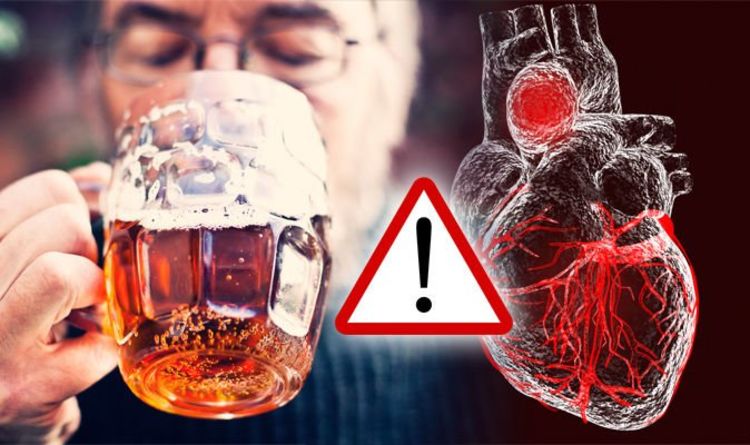
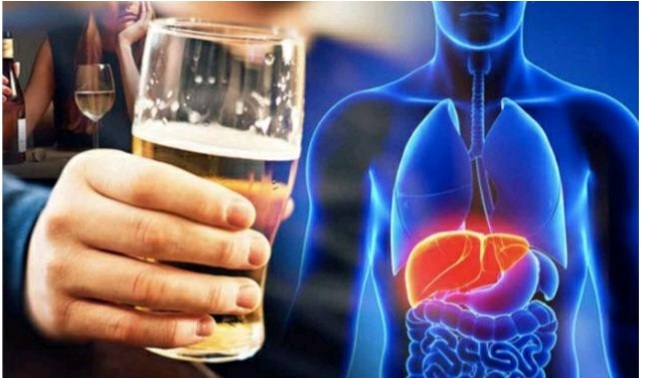
Pictures such as the one below will be used to create awareness about the hazards of the abuse of alcohol as stated earlier.
As part of our field experiences which included brainstorming, we concluded on conducting a survey to gather data on whypeople abuse alcohol, their mode of consumption, when and why they drink alcohol excessively. Few research questions and 100 questionnaires were printed and distributed to a few drinking pubs. Sub groups were created with each member carrying out distribution of the questionnaires. The first group which I was part of together with Zainab Abdullahi Jumia and Abigail, we distributed 40 of the questionnaires in bars and pubs. Bernice Bonsi together with Emmanuel Asieme Ayine and Natasha Dzamesi who formed the second group. Thirty questionnaires were distributed to drinking bars and pubs on their field trip to Shiashie. The third group which consisted of Evelyn Adjoa Buobu, Patience Amisah Baba and Katakiti Akua Millicent distributed 30 of the questionnaires in Dansoman.
The Information gathered from this short survey helped us to develop our script and the entire animation in sending the central messaging strategy.
Portia Ofotsuwa Dadeboe was our campaign voice-over actor.She acted the voice over by going accordingly with our script with the assistance of the animator.
REFERENCES.
Levitt, T. (1970). The morality (?) of advertising, Harvard Business Review, 37 (July/Aug), pp. 57-84.
World Health Organization (2004).Global status report on alcohol 2004. Geneva
We predict that affective responses to alcohol warning advertisements (low pleasure and high arousal) will be associated with higher perceived effectiveness . And through the use of most social media platforms, we will encourage sensitization on this issue with our counter advertisement. It is estimated that 5.9 % of global deaths and 5.1 % of the global burden of disease are attributable to alcohol consumption.
Young adults are frequently the target of alcohol marketing . One policy option to reduce harmful alcohol consumption in this age group is to restrict the marketing of alcoholic products. However, despite consistent evidence that exposure to alcohol advertising has a dose response association with earlier initiation of alcohol use and increased consumption in young people , there is a lack of high quality evidence to support the implementation of alcohol marketing bans or restrictions to reduce alcohol consumption . This is one reason why , Pro health foundation seeks to curb this negative behavior by using counter advertising to bring to the knowledge of these people the negative effects of alcohol to their health. At pro health we pride ourselves on creating awareness about the poor state of health, providing expert knowledge about health through our partners, and embarking on anti-poor health behavior campaigns. An alternative approach to restricting alcohol marketing is to use counter alcohol advertising messages about the positive effects of alcohol consumption with public health messages presented as advertisements that warn about the negative consequences of alcohol. There is very little comparable evidence for alcohol counter-advertising. Whilst evidence exists suggesting that, advertisement campaigns to reduce alcohol impaired can be effective when professionally executed. That is why we at PRO-HEALTH foundation seek to serve as a catalyst in bringing sustainable change in the health of Ghanaians . Findings show that counter-advertising literature indicate that advertisements evoking strong negative emotions, such as fear and disgust elicited by graphic imagery of the damaging health effects of drinking by highlighting disingenuous practices of the alcohol industry. There is also indication that emotionally evocative advertisements have the potential to reduce socioeconomic inequalities in drinking and we at Pro health have come up with a counter advertising campaign on the effect of alcohol on the heart With the use of animation. To create more awareness. The primary aim of this counter advertisement by Pro health foundation is to reduce the urge to drinking alcohol excessively. We predict that participants exposed to alcohol warning advertisements will report fewer urges to drink alcohol Through this counter advertising campaign.
The harmful effect of excessive alcohol consumption on the heart.
Within the period of three years, from the commencement of the campaign, ProHEALTH Foundation intends to achieve a 30% increase in the awareness creation on matters of alcoholism and its negative effects on human health. ● By December 2026, the campaign aims at achieving a reduction in the intake of alcohol among the youth and age from the current 41% to 20%. ● To ensure that by December 2028, the number of heart-related diseases arising from the intake of alcohol is reduced by 30%.
BY: DADEBOE ofotsuwa Portia- Bacs21978 .
FIELD EXPERIENCE We did an animation video so did not really include a lot of field experience . On the other hand I made the voice over for the video ,and communicated mostly with the Animator.




 PRO HEALTH FOUNDATION