ALCOHOL ABUSE, THE SLOW POISON

The harmful use of alcohol is one of the leading risk factors for health worldwide and has a direct implication on many health-related diseases, including those for mental and child health, , non-communicable diseases and mental health and injuries
Alcoholism has been defined by the World Health Organization as “a term of long-standing use and variable meaning, generally taken to refer to chronic continual drinking or periodic consumption of alcohol which is characterized by impaired control over drinking, frequent episodes of intoxication, and preoccupation with alcohol and the use of alcohol despite adverse consequences.
Alcohol use disorders continue to be an alarming health issue globally and it has been attributed to 2.5 million deaths per year worldwide. Although the consumption of moderate amounts of alcohol has been proven to have some beneficial effects, the risks associated with alcohol use especially in teenagers and adolescents definitely outweigh any benefit that may occur at a later point in life.
Pro-Health Foundation aims to reduce the health burden caused by the harmful use of alcohol and thereby to save lives, reduce disease and prevent injuries. This will be achieved through a counter advertisement that creates the needed awareness. The campaign aims at achieving a reduction in the intake of alcohol among the youth from the current rate of 41% to -20% by 2022.

ALCOHOL CONSUMPTION AND ITS HEALTH CONSEQUENCES

The consumption of high amounts of alcohol can predispose an individual to cardiovascular diseases, liver cirrhosis, cancer, trauma, diabetes, pancreatitis, gastrointestinal complications such as hemorrhagic gastritis, cerebrovascular diseases like stroke, and neurological complications such as alcoholic tremors, cerebellar degeneration, encephalopathy, impaired memory and mental disorders. The consumption of alcohol has been proven to adversely affect not only the systemic health but also the oral health of an individual. This review highlights the effects of alcohol consumption.

Cardiovascular diseases

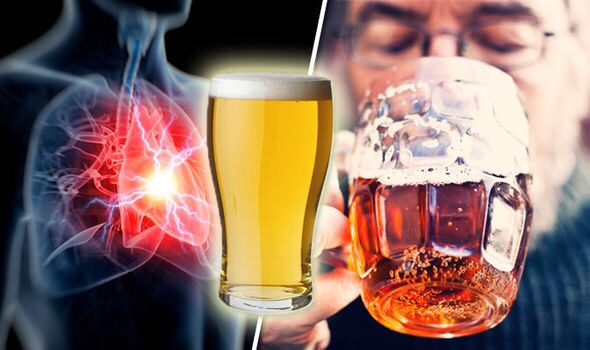
Numerous epidemiological studies have observed a complex relationship between both the volume and patterns of alcohol consumption and the occurrence of cardiovascular diseases Specifically, volume and patterns of alcohol consumption have been shown to increase the risk of hypertensive heart disease. The relationship between alcohol and the onset of ischaemic heart disease or ischaemic strokes is complex; people who consume low-to-moderate amounts of alcohol and do not engage in irregular heavy drinking have a lower disease risk, while people who engage in irregular heavy drinking or who consume higher volumes of alcohol have a higher disease risk.
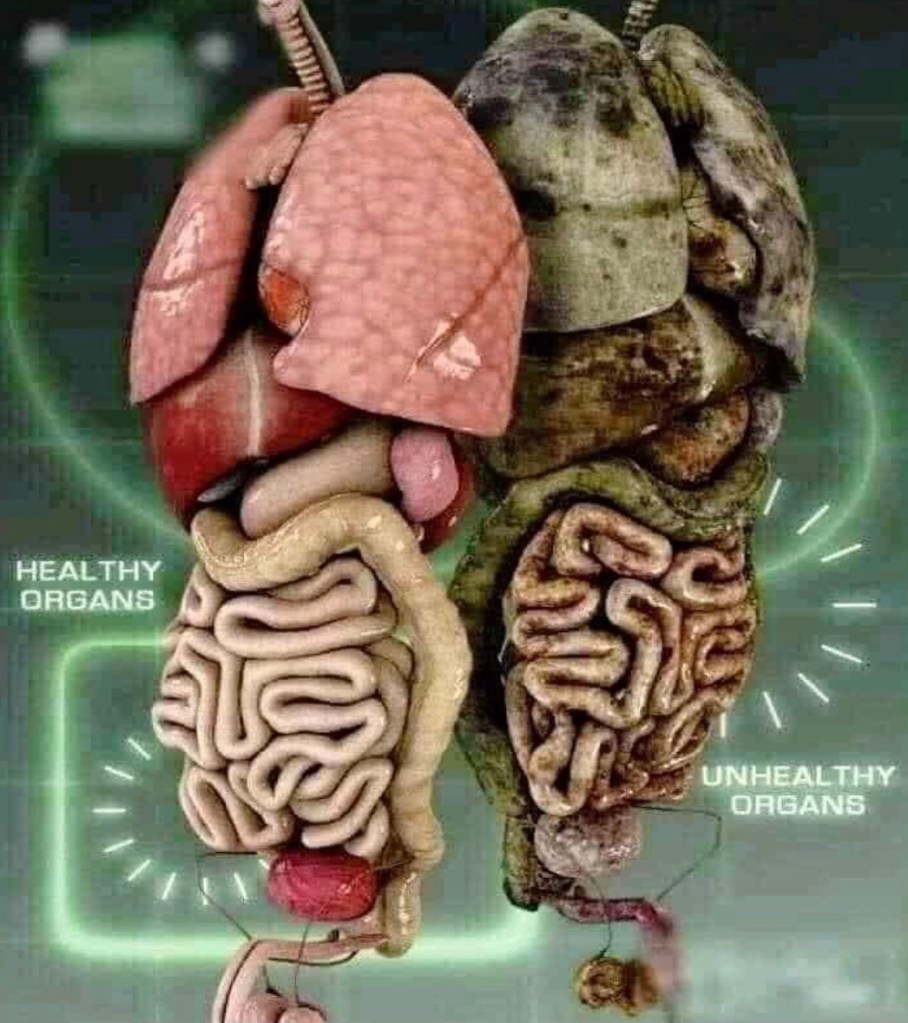
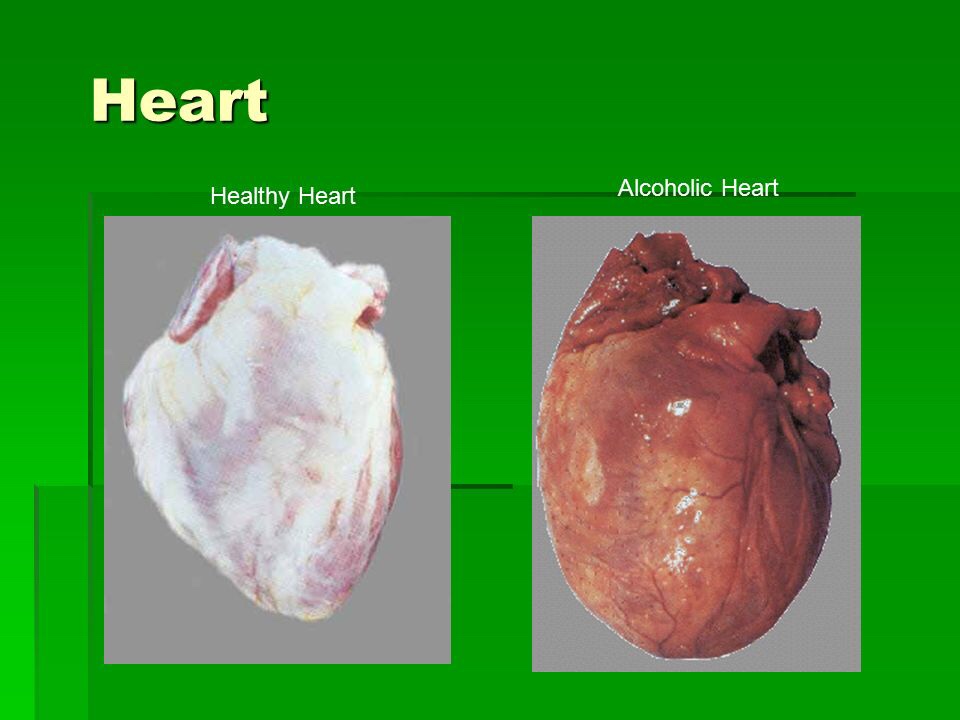
The Damage caused by excessive alcohol intake to the heart

CANCERS

The biological mechanisms of alcohol-related carcinogenesis are not entirely understood, but several pathways have been identified by which alcohol is thought to contribute to cancer development. Most notably, alcohol has been shown to damage permanently the DNA strands in the cell and to inhibit DNA repair processes from functioning, particularly through acetaldehyde – the immediate product of alcohol metabolism. Alcohol use may also lead to nutritional deficiencies that affect DNA processing pathways.

LIVER DISEASES

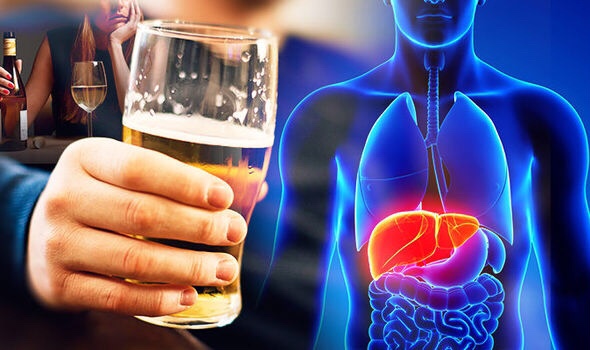
The causal relationship of alcohol consumption and liver diseases is well established and alcohol has been shown to have an ability to cause hepatocellular damage through ethanol metabolism-associated mechanisms and malnutrition. Alcohol is one of the most frequent causes of liver diseases.
It is a well-established fact that chronic and excessive alcohol consumption adversely affects the health of the consumer.


HEALTH IS WEALTH!!!

ABIGAIL ANSAH ASEIDU
BACS 21928

TREAT YOUR HEART RIGHT AND RETHINK YOUR INTAKE OF ALCOHOL

For centuries, multiple medical risks of heavy alcohol drinking have been evident with a simultaneous awareness of a less harmful or sensible drinking limit. Alcohol consumption is causally related to some 100 diseases and conditions and has been found to be one of the most important risk factors for the burden of disease worldwide. One of the most important disease outcomes causally related to alcohol is heart disease, the most common cause of death in many countries, with growing importance from a global perspective. Nonetheless, evidence for the effect of alcohol on the heart is mixed.

There is an opinion that light to moderate alcohol use (up to one standard drink per day for women and up to two standard drinks per day for men) can, in older age groups, reduce the risk of developing and dying from coronary artery disease. This appears to be because small quantities of alcohol alter the lipids and clotting factors in the blood to make them protective against heart disease.

However, heavy drinking (both chronic and a pattern of heavy drinking sessions) increases the risk of coronary artery disease. Heavy drinking is also associated with sudden death from heart failure, irregular heartbeats, and chronic disease of the heart muscle; leading to heart failure, where the heart can no longer pump blood around the body effectively.

Heavy chronic alcohol use is also linked to high blood pressure, particularly in men. Blood pressure increases with drinking more than two or three drinks a day on average and restriction of alcohol lowers the blood pressure. Drinking alcohol in order to ‘protect the heart’ is not advisable, since alcohol is an addictive drug that causes cancer, increases the risk of injury, and causes damage to the fetus in pregnant women. People can find it difficult to limit their drinking to one or two standard drinks a day and heavy drinking actually increases the risk of heart disease.

In 2021, Pro-Health Foundation, an NGO centered on promoting the good health and dietary status of the youth embarked on a counter-advertising campaign against the consumption of alcohol. In this campaign, they strived to create awareness about the negative impact of alcoholism on heart diseases, bring clarity to the misconceptions about alcohol consumption, and reduces 

its intake through advocacy.

With everything stated so far, our objectives are that, within the period of three years, from the commencement of the campaign, Pro- HEALTH Foundation intends to achieve a 30% increase in the awareness creation on matters of alcoholism and its negative effects on human health. The second objective is that, By December 2026, the campaign aims at achieving a reduction in the intake of alcohol among the youth and age from the current 41% to 20%. Also, another objective is To ensure that by December 2028, the number of heart-related diseases arising from the intake of alcohol is reduced by 30%.

Visual pictures are an effective tool for generating counter-ads since individuals forget what they hear or read, but you may probably remember what you see over time. That’s why, as a group, we strive to leverage the visual image of animations to create material for publicity. As a result, the PRO-HEALTH foundation will create methods such as counter-advertising to reduce excessive alcohol usage in the lives of its abusers and to educate them about the harmful health consequences. We will employ animations in the final advertising effort as part of our measures. In order to show the harmful representation of alcohol on the heart in our advertisement, animations will be utilized as a method of advertising using the shockvertising approach in conveying the message, thus employing horror and disgust to portray the damaging depiction of alcohol on the heart.

We use social media sites like Facebook, Instagram, and Twitter, as well as media channels such as TV3, Utv, Citytv, Citifm, and Peace FM, to communicate our messages. This should aid us in communicating with the public at large by allowing us to communicate the message with little delight and related emotions through counter-advertising.

With regards to our field reports, Since our campaign was created as an animated film, there were little field activities. But, during several of our brainstorming sessions, the group agreed to run a quick survey to assist us in better understand how alcohol consumers behave when it comes to drinking. We developed a few research questions, and 100 questionnaires were produced and delivered at random to a few drinking establishments across the city. The group was divided into four subgroups in this regard: the first was created by Zainab Abdullahi Jumia, Jaisey Lawrencia Emefa, and Abigail, who distributed 40 questionnaires in bars and pubs during their field trip in Osu. The second group, comprised of Emmanuel Asieme Ayine, Natasha Dzamesi, and Bernice Bonsi, distributed 30 questionnaires to drinking bars and pubs during their field trip to Shiashie, and the third group, comprised of Evelyn Adjoa Buobu, Patience Ammisah Baba, and Katakiti Akua Millicent, distributed 30 questionnaires during their field trip to Dansoman. All data obtained from this brief questionnaire aided the team in deciding on and developing the campaign objectives, from which the production script and primary message were developed. A member of the group was our campaign voice-over actress and therefore provided the voiceover for the animation.

NATASHA DZAMESI – BACS211000

THE GREATEST ENEMY OF THE HEART

The heart is a very important part of the body. It is mainly responsible for pumping blood into the body. It needs to be taken very good care of because without the heart, the body ceases to function.

There are many habits we as individuals have that put the heart at risk of many heart diseases. The greatest of all is the habit of alcohol consumption.

Alcohol is the ingredient found in wine, beer, and spirits that causes drunkenness.

According to a new study published in The Lancet, global alcohol consumption is continuously increasing. Total annual alcohol consumption has increased by 70% from 21 billion liters in 1990 to 35.7 billion liters in 2017. Low and middle-income countries are leading the trend, with considerable increases seen in Vietnam, India, and China. As a result of this.

Alcoholic drinks have become a favorite of many across the globe. It is served at many functions, in bars, restaurants, and even in the homes of many.

Some studies have linked moderate alcohol use to a lower risk of heart disease over the years. Most people will find these findings reassuring, but they are not a suggestion to begin drinking for health reasons.

Alcohol can be very detrimental to health. It is the greatest enemy of the heart. That is why the Pro-health foundation, as an organization, has decided to take it upon ourselves to advertise and create awareness of the risks of alcohol consumption on the heart.

Alcohol consumption increases an individual’s risk of getting heart disease like high blood pressure, a condition in which the blood’s push against the artery walls becomes excessive. Irregular heartbeat. This is also a condition where the heart is out of its regular rhythm. Weakened heart muscles, which can lead to heart attack and stroke. These diseases are among the many causes of death in our society today.

It is therefore advisable to totally put away the consumption of alcohol if one wants to have a healthy heart and stay alive.

MILLICENT AKUA KATAKITI
BACS211040
WEEKEND TOP -UP

CORE VALUES

Collaboration

We work with commitment and integrity, in an atmosphere of respect, to proactively partner, collaborate, and convene others to address the health needs of the community and add value to the healthcare system.

Stewardship

Through good governance and stewardship, we utilize our resources to address community needs.  We strive for cost-effective solutions.

Creative Leadership

We provide creative leadership to facilitate and coordinate health improvement solutions.  We are a catalyst and advocate for quality health and wellness.

Knowledge/Education

We disseminate health information and assess healthcare needs. We are knowledgeable about the services of health-related organizations in our community. We work to provide opportunities for the community to be informed.

ABOUT PRO-HEALTH FOUNDATION

PRO-HEALTH foundation is a non-profit, non-governmental organization Instituted in 2010 by a group of young passionate health volunteers on a mission to address the poor health and dietary status of people particularly the youth of Ghana.

VISION

PRO-HEALTH foundation seeks to serve as a catalyst in bringing sustainable change in the health lives of Ghanaians

MISSION

Our mission is to build long-term partnerships with local communities and health systems to facilitate sustainable, innovative and life-saving health and dietary care for the youth.